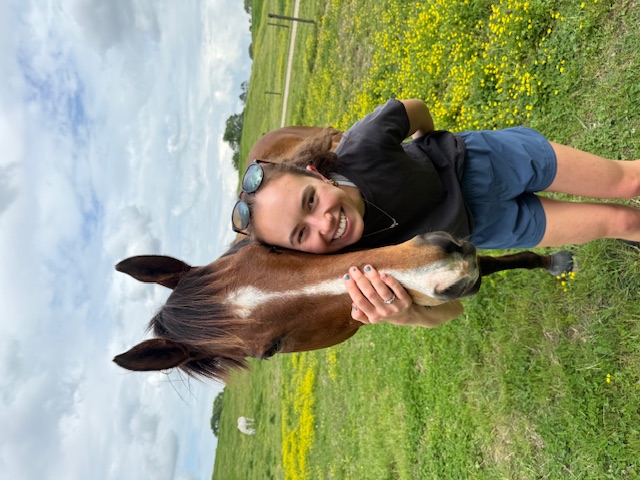
I am a Cancer Biology Ph.D. candidate at Vanderbilt University, where I
study how immune cells called macrophages regulate the metabolic
environment to promote the growth of metastasizing cancer cells and
limit anti-tumor immunity in the lung. Prior to starting my Ph.D., I
received my B.S. in Cell and Molecular Biology from the University of
Tennessee–Martin. Following graduation, I worked as a research assistant
at the University of Kentucky on two projects: characterizing a rare
pediatric neurodegenerative disease known as CLN3 disease in a mouse
model, and examining how aberrant platelet metabolism and
hyperactivation in diabetes contribute to thrombotic events.
Like many scientists, my investigative spirit began in childhood. Raised around
horses, I wanted to learn as much as I could about their anatomy and physiology
(well. . . . horses and dinosaurs). I grew up riding competitively and continued
through college on UTM’s equestrian team. My first real taste of the uncertain
but immensely rewarding process of research came during my senior year, when
I used molecular biology techniques to devise and execute an experimental
plan to disrupt a gene in the bacterium Rhodobacter capsulatus. This hands-on
experience revealed a facet of science I couldn’t find in a textbook, and
I knew it was something I wanted to pursue further.
The goal of this blog is twofold: to provide
trainee-friendly summaries of new cancer research and to further develop
my skills in reading and analyzing the literature both within and
outside my Ph.D. focus. In a time when we are bombarded with information
from all directions, I hope to offer digestible, accessible posts that
highlight the groundbreaking discoveries labs around the world are
making to help us better understand and treat cancer.